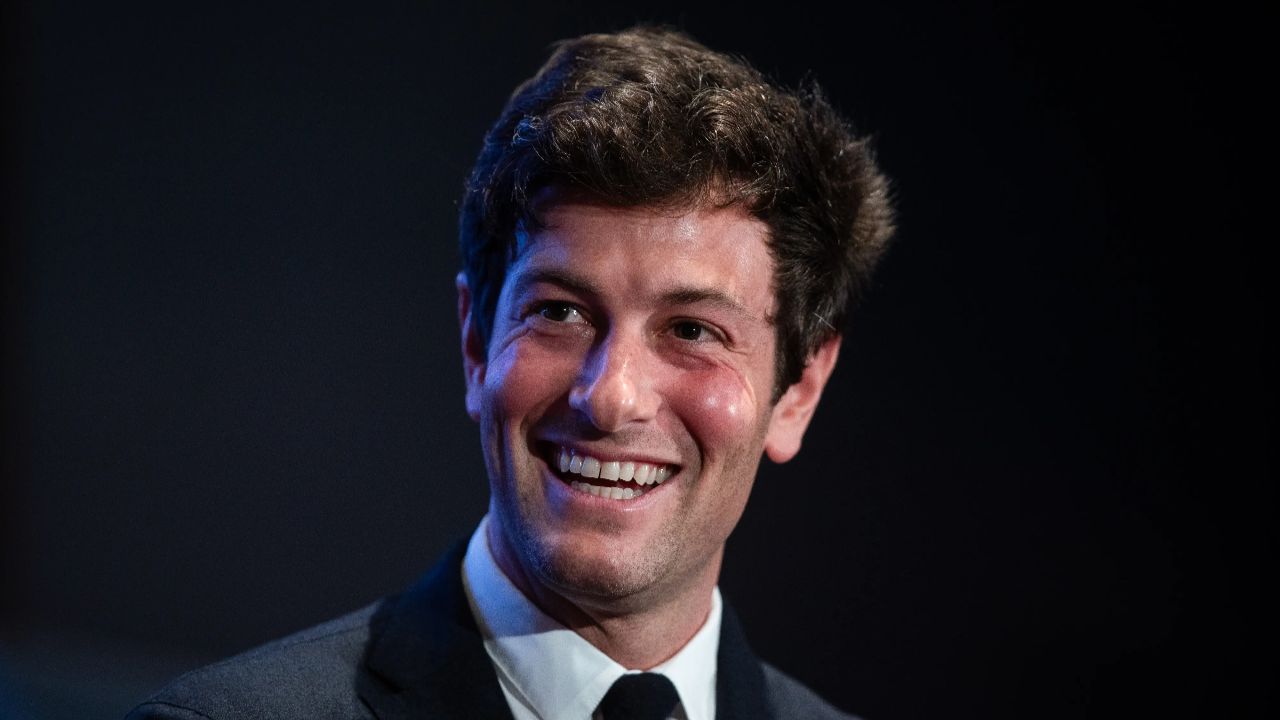
In a stunning development that has reshaped the landscape of professional sports ownership, billionaire investor Josh Kushner and former Disney CEO Bob Iger have agreed to purchase the Los Angeles Lakers for a record-setting price of approximately $12.5 billion. The deal, reported on August 12, 2026, transfers control from Mark Walter, who had acquired a majority stake from the Buss family only about a year earlier at a $10 billion valuation. Kushner, the 41-year-old founder of Thrive Capital, emerges as a central figure in this historic transaction, one that surpasses previous benchmarks for U.S. sports franchise sales.
Forbes currently estimates Kushner’s net worth at $5.2 billion, a figure that primarily reflects his substantial ownership stake in Thrive Capital. The firm, which he founded and leads, has backed major successes including early investments in Instagram, Spotify, Stripe, and OpenAI. Thrive manages roughly $25 billion in assets and was valued at around $5.3 billion in a prior funding round, with Kushner holding a majority interest estimated near 66 percent. This personal fortune positions him among the world’s wealthiest individuals, though the precise structure of financing for the Lakers acquisition—likely involving partners, debt, or institutional capital—remains undisclosed in initial reports.
You Might Like: AOC Husband Net Worth Rumors
The Path to Lakers Ownership
Josh Kushner’s interest in sports ownership predates the Lakers deal. He previously held a minority stake in the Memphis Grizzlies and acquired a small share in the Miami Heat. His firm also took a minority position in the San Francisco Giants earlier in 2026 through a related investment vehicle focused on cultural assets.
Alongside Iger, Kushner had been exploring an NBA expansion opportunity in Las Vegas before pivoting aggressively to the Lakers. In a joint statement, the pair expressed that they are “deeply honored for the opportunity to become stewards of the Los Angeles Lakers,” emphasizing a long-term commitment to competing at the highest level and serving the team’s fans and the city of Los Angeles. Walter described his brief ownership as an “extraordinary investment.”

The transaction requires approval from the NBA’s Board of Governors. It marks a significant escalation in franchise valuations, building on the rapid appreciation seen when Walter consolidated control. For Kushner, whose background blends venture capital success with family real estate roots, the move expands his portfolio beyond technology and health care—where he co-founded Oscar Health—into one of the most iconic brands in global sports. His older brother, Jared Kushner, is a prominent political and business figure, though Josh has carved an independent path focused on high-growth investments.
What the Deal Means for Kushner’s Wealth
At a reported $5.2 billion net worth, Josh Kushner’s personal resources alone would not cover the full $12.5 billion price tag, indicating that the purchase involves a broader ownership group or structured financing in which he and Iger serve as the public faces and controlling parties. Reports indicate Kushner is expected to act as the control person. This does not immediately alter the Forbes valuation of his liquid and firm-related assets, as sports team ownership stakes are often valued separately and can involve complex capital structures that preserve personal liquidity.
Also See: Ben Jones’ Estimated Wealth Revealed
Thrive Capital’s track record of generating outsized returns from early-stage technology bets has been the primary engine of Kushner’s wealth accumulation. The Lakers acquisition represents a diversification into a trophy asset with strong brand equity, media rights potential, and long-term appreciation prospects. While the precise impact on his overall net worth will depend on the final equity contribution, financing terms, and future team performance, the deal elevates his public profile and aligns him with one of the NBA’s most storied franchises.
As of mid-August 2026, the $5.2 billion estimate stands as the most widely cited figure, reflecting the value of his Thrive holdings more than any immediate change from the Lakers transaction itself.