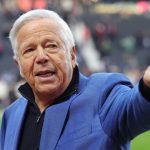
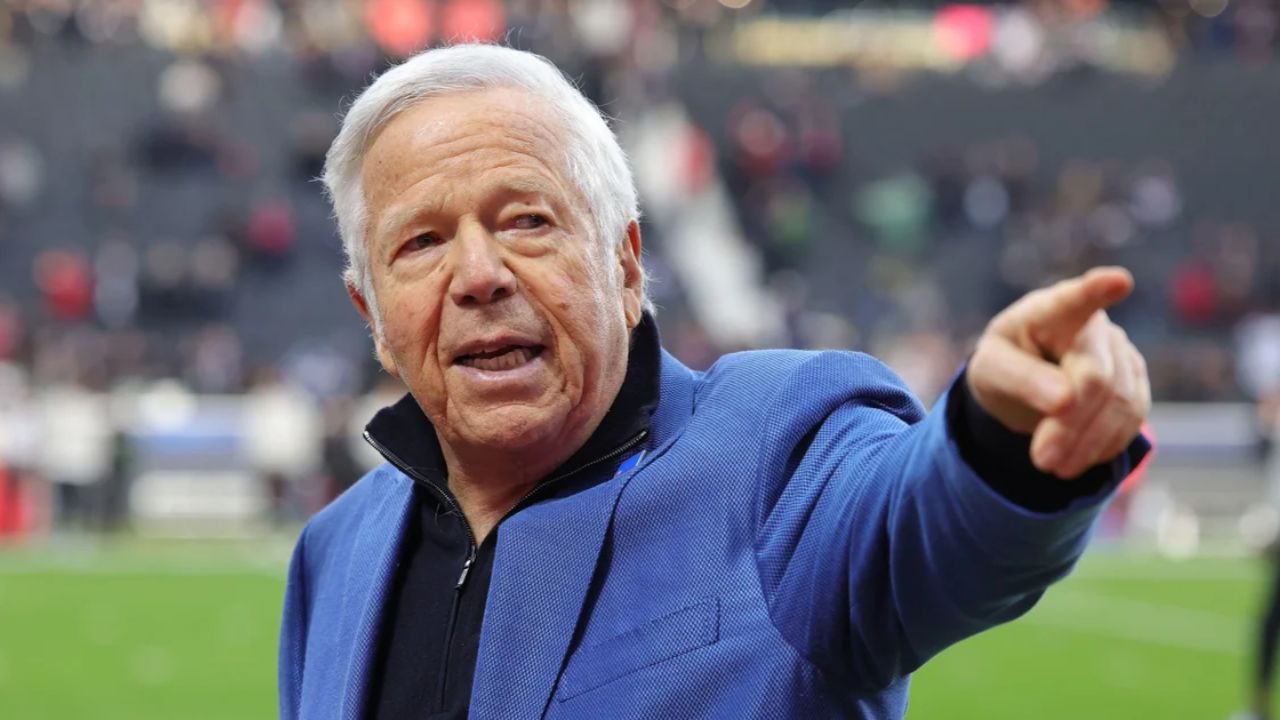
Robert Kraft stands as one of the most prominent figures in American sports and business in 2026, with estimates of his fortune centering on roughly $13.8 billion, according to Forbes. Other trackers place the figure higher, around $15.2 billion, while Bloomberg has reported closer to $13.3 billion in recent updates. These numbers reflect the dramatic appreciation of his core assets rather than any sudden windfall, and they position him among the wealthier owners in the National Football League.
At 85 years old, the Brookline, Massachusetts, resident continues to serve as chairman and CEO of The Kraft Group. His story is not one of inherited fortune from a famous food brand—he has no connection to Kraft Foods—but of calculated moves in manufacturing, packaging, and professional sports that compounded over decades. The Patriots franchise alone, purchased for $172 million in 1994, has become a multi-billion-dollar asset and the primary driver of his current standing.
You Might Like: Bob Mackie Bio
Building the Foundation Beyond Football
Robert Kraft’s wealth originated well before he entered the NFL. After earning degrees from Columbia University and Harvard Business School, he took control of his father-in-law’s Worcester-based packaging company, Rand-Whitney Group, through a leveraged buyout in 1968. He later founded International Forest Products in 1972, expanding into paper commodities and related manufacturing. These operations formed the backbone of The Kraft Group, a diversified holding company that also encompasses real estate, private equity investments, and other ventures. The group generates billions in annual revenue and remains a steady contributor to his overall fortune.
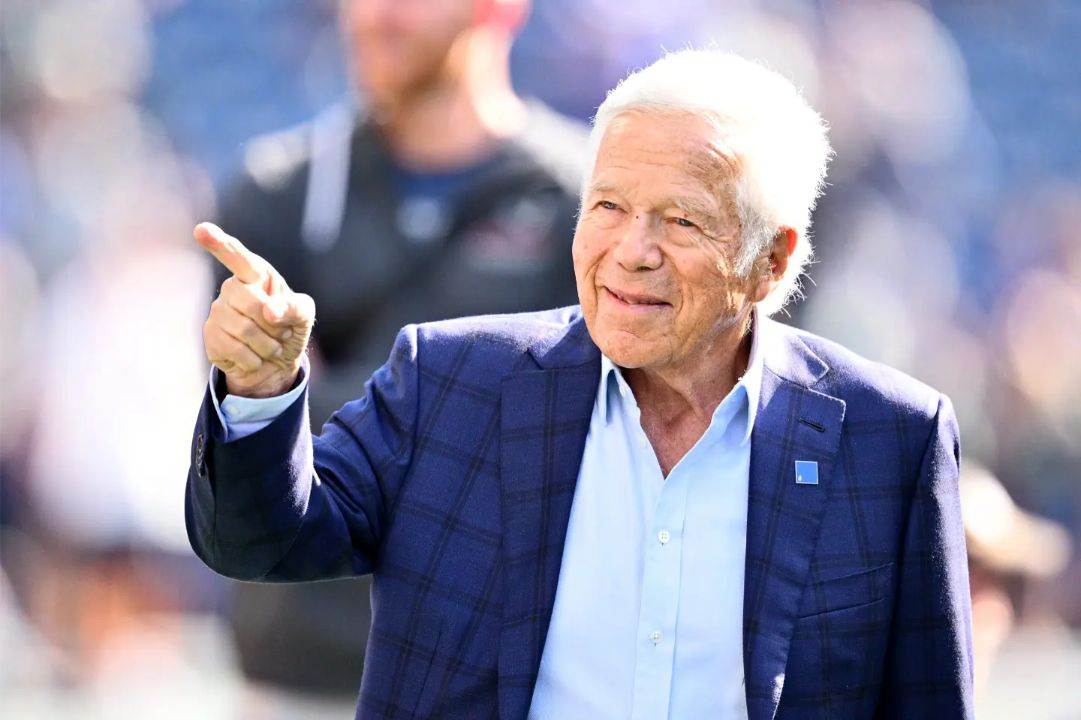
Sports entered the picture as both passion and investment. Kraft acquired the New England Patriots when the franchise faced an uncertain future and potential relocation. Under his ownership, the team has claimed six Super Bowl titles and transformed into one of the league’s most valuable properties, with valuations commonly cited near $9 billion and some reports suggesting higher. In September 2025, he sold an 8 percent minority stake at that approximate valuation, retaining the large majority interest. He also owns the New England Revolution of Major League Soccer and Gillette Stadium, further concentrating value in the sports portfolio.
A Fortune Still Anchored in Strategy
The bulk of Kraft’s 2026 net worth continues to rest on the Patriots and the broader Kraft Group holdings rather than public market swings. Analysts note that rising NFL media rights, franchise scarcity, and the team’s sustained success have multiplied the original investment many times over. Additional personal investments outside the core group, estimated in the past at more than $1 billion, provide further diversification. While exact rankings fluctuate with market updates, he consistently appears among the top tier of NFL owners and on major global billionaire lists.
Also See: Dak Prescott’s Contract Details
Philanthropy forms another consistent thread. Kraft has directed substantial resources toward Jewish causes and education, including recent multi-million-dollar commitments, while adjusting support for institutions based on campus developments. These activities do not materially alter the net-worth calculations but underscore how the same long-term discipline that built the fortune also shapes its use. In 2026, Robert Kraft’s wealth remains a clear illustration of patient capital allocation across traditional industry and high-value sports assets.