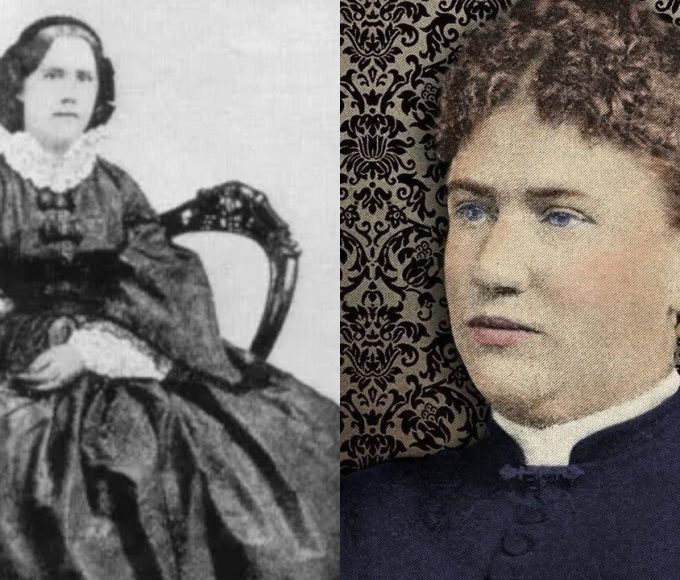
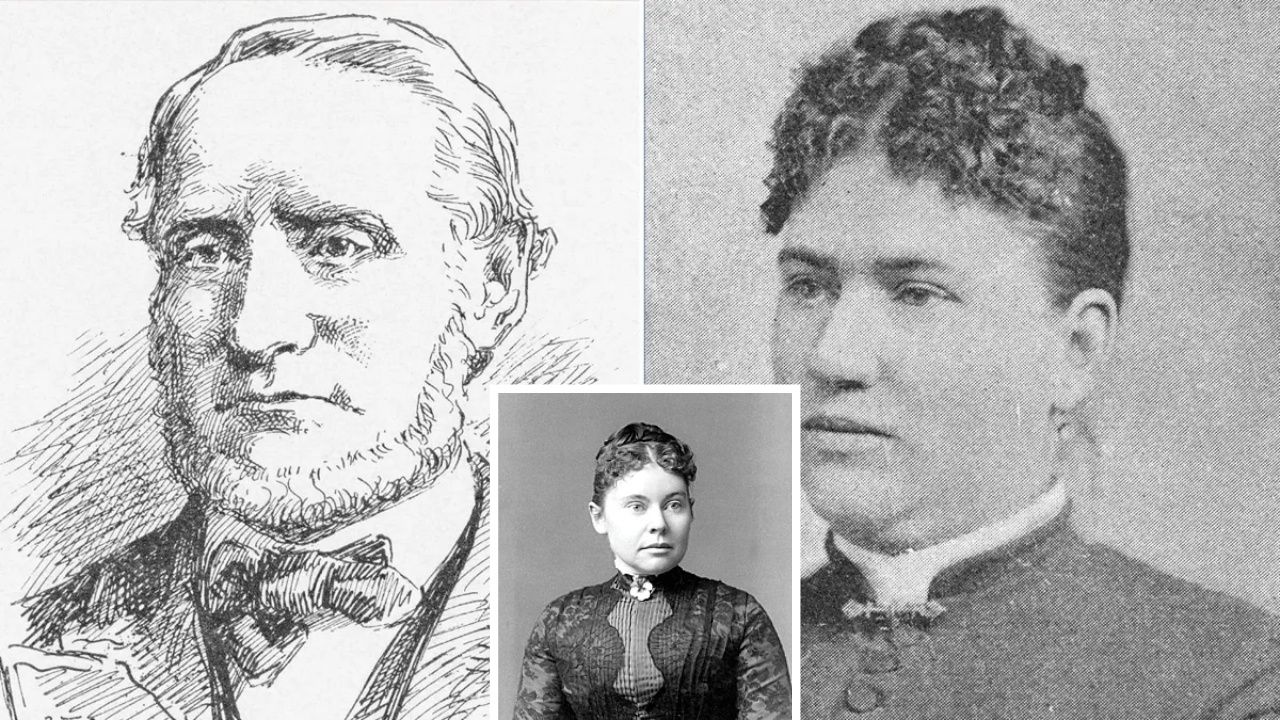
On a sweltering August morning in 1892, the quiet streets of Fall River, Massachusetts, were shattered by news of a double homicide that would echo through American crime history. Wealthy businessman Andrew Jackson Borden and his wife Abby were found bludgeoned to death in their modest home at 92 Second Street. Their adult daughter Lizzie Borden would soon stand trial for the killings, only to walk free. Yet the story of the Bordens begins long before that infamous day, rooted in family tragedy, second marriages, and simmering tensions over money and loyalty.
Andrew and Abby were not Lizzie’s only parental figures. Her biological mother, Sarah, had died years earlier, leaving a household shaped by loss and remarriage. Understanding who these parents were—their backgrounds, characters, and the strained dynamics within the home—helps explain why the case continues to fascinate more than a century later. Their lives reveal a portrait of Victorian prosperity mixed with frugality and quiet discord.
You Might Like: Sandra Bullock’s Children
Andrew Borden: The Self-Made Patriarch
Andrew Jackson Borden was born in Fall River on September 13, 1822. Though the Borden name carried local prestige dating back to colonial times, Andrew started with little. He worked his way up as a cabinetmaker and furniture dealer, later expanding into caskets, real estate, textile mills, and banking. By the time of his death, he served as president of the Union Savings Bank and held directorships in other financial institutions. His estate was valued between $250,000 and $300,000—roughly equivalent to several million dollars today—making him one of the wealthier men in the industrial city.
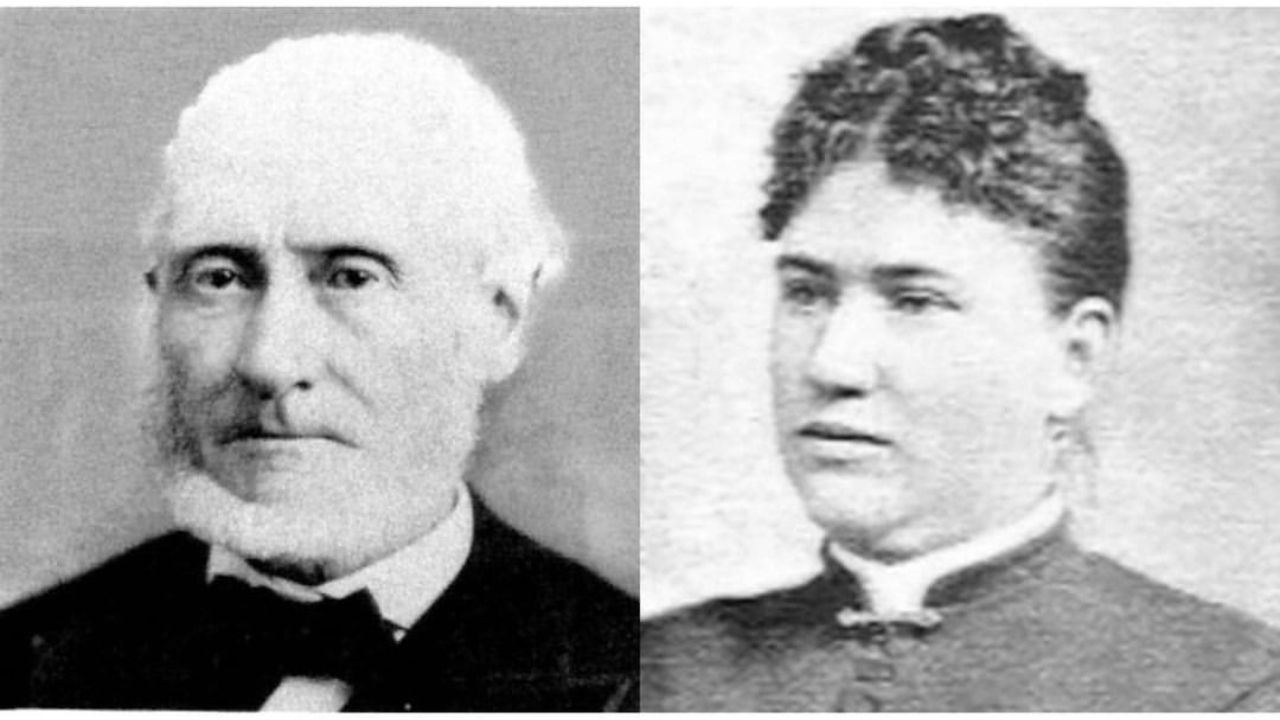
On Christmas Day 1845, he married Sarah Anthony Morse. The couple had three daughters: Emma in 1851, Alice (who died at about age two), and Lizzie Andrew Borden on July 19, 1860. Sarah died in 1863 of uterine congestion and spinal disease when Lizzie was only two. Two years later, on June 6, 1865, the 42-year-old widower married again.
Despite his growing fortune, Andrew remained famously thrifty. The family home lacked modern amenities such as indoor plumbing that other prosperous households enjoyed. His adult daughters, still living under his roof in 1892, resented both the frugality and his firm control over the family money. Emma and Lizzie helped manage some of his rental properties, yet they remained financially dependent on him well into their thirties and forties.
Abby Borden: The Unwelcome Stepmother
Abby Durfee Gray was born in Fall River on January 21, 1828. At 37, she was still unmarried when she wed Andrew in 1865. Emma was then 14 and Lizzie Borden only four or five. Abby never fully replaced Sarah in the girls’ affections. Both sisters referred to her as “Mrs. Borden” rather than “Mother,” a telling detail that surfaced during the investigation. Relations grew colder over the years. In 1887, Andrew transferred property that benefited Abby’s relatives, intensifying the daughters’ suspicion that their stepmother and her family had designs on the inheritance.
Also See: Taylor Hanson’s 24-Year Marriage
On the morning of August 4, 1892, Abby was killed first, struck roughly 18 or 19 times in the head with a hatchet-like weapon while upstairs in the guest room. About 90 minutes later, Andrew was attacked downstairs on the sitting-room sofa, receiving 10 or 11 blows to the face and head. Lizzie, then 32, was home at the time; her sister Emma was away visiting friends. Lizzie Borden was arrested, tried the following year, and acquitted. No one else was ever charged, and the murders remain officially unsolved.
The parents’ story is inseparable from the household tensions that preceded the crime. Andrew’s wealth and tight rein on spending, Abby’s outsider status, and the adult daughters’ prolonged dependence created an atmosphere of resentment that investigators and the public quickly seized upon. Whether those tensions explain the violence is still debated. What is clear is that Andrew and Abby Borden lived ordinary, if prosperous, lives until a single morning turned them into permanent figures in American true-crime lore.