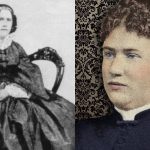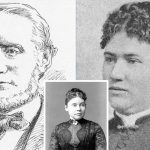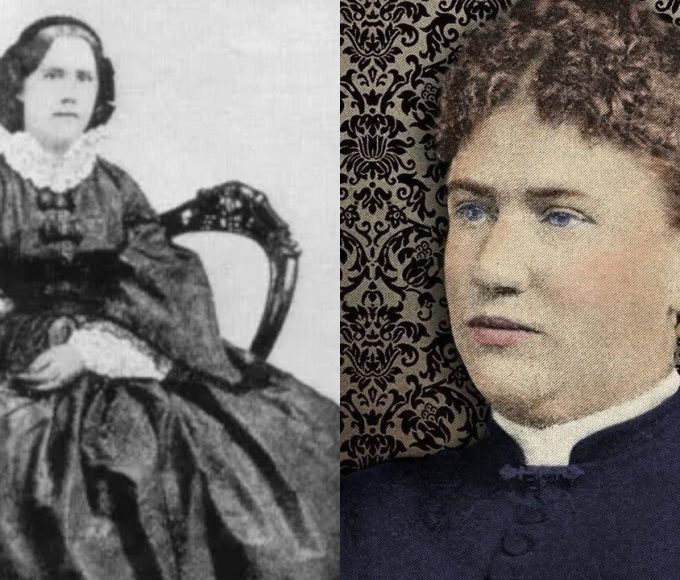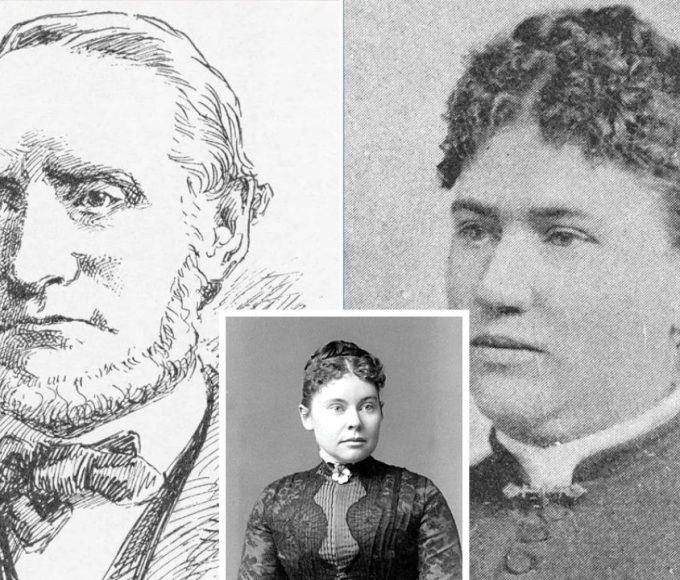
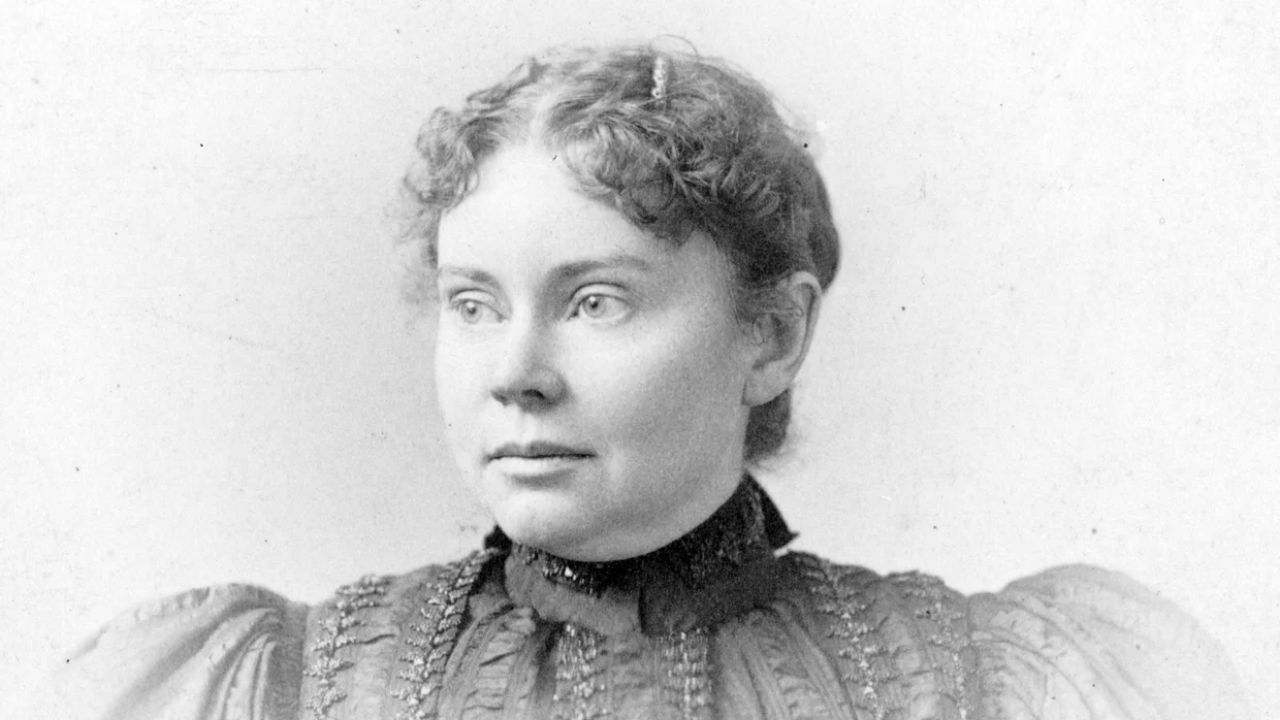
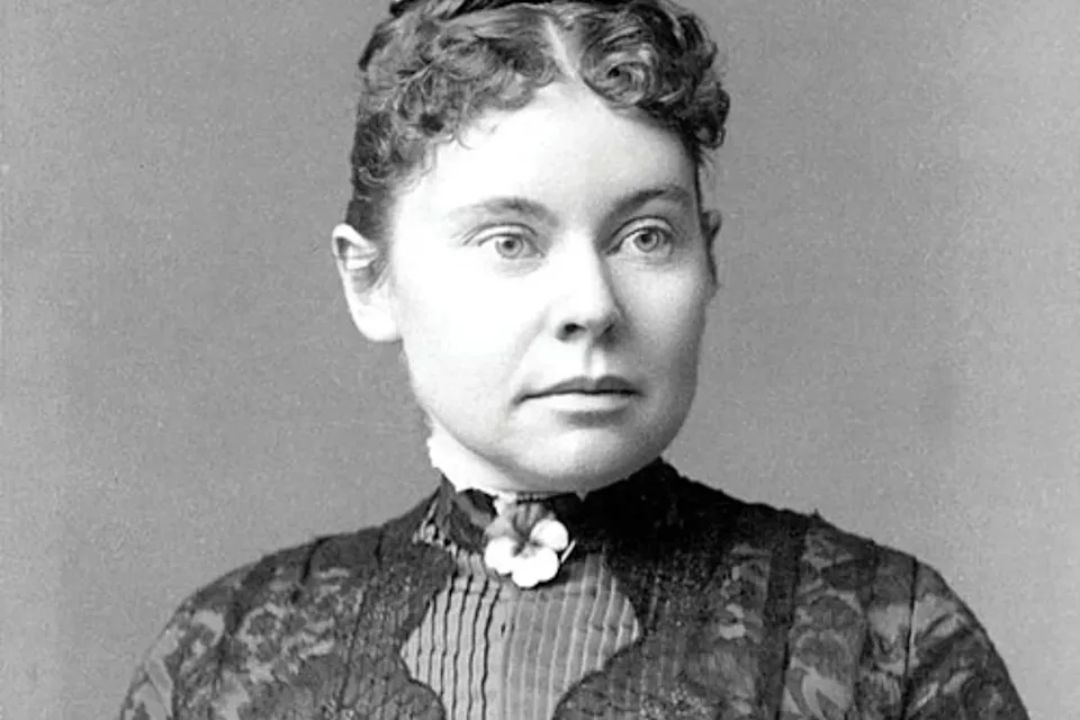
Lizzie Borden remains one of America’s most enduring enigmas, not only for the brutal 1892 axe murders of her father and stepmother in Fall River, Massachusetts, but also for the persistent questions surrounding her private life. Acquitted of the crimes yet forever shadowed by suspicion, she never married and lived as a reclusive “spinster” by the rigid standards of her Victorian era. That fact alone planted the seeds for decades of speculation about her sexuality.
In the absence of any personal diaries, confessions, or contemporary testimony addressing the matter, later writers, novelists, and filmmakers have filled the silence with theories. The idea that Borden was a lesbian has become a recurring motif in true-crime retellings and popular culture, yet historians consistently note the lack of solid evidence. The rumors reveal more about shifting cultural attitudes toward unmarried women and queer lives than they do about Borden herself.
The Bridget Sullivan Theory and Its Fictional Roots
One of the most widely circulated lesbian theories centers on Bridget Sullivan, the Bordens’ young Irish housemaid who was present in the house on the day of the killings. Some modern accounts propose that Lizzie and Bridget were secret lovers, and that the discovery of their relationship by Abby or Andrew Borden triggered the murders. This narrative appears in Ed McBain’s 1984 novel Lizzie, the 2018 film Lizzie starring Chloë Sevigny and Kristen Stewart, and the recent Netflix series Monster: The Lizzie Borden Story.
No contemporary records support the claim. Trial testimony, newspaper coverage from 1892–1893, and Bridget’s later life (she married a man and lived quietly until 1948) contain no hint of a romantic bond. Scholars describe the affair theory as pure speculation, born long after the events and amplified for dramatic effect. Bridget’s loyalty to Lizzie during the investigation more plausibly reflected the precarious position of a live-in servant than any hidden passion.
Friendship with Nance O’Neil and the Limits of Evidence
A more plausible source of rumor is Borden’s close friendship with stage actress Nance O’Neil, which began around 1904. O’Neil, celebrated as the “American Bernhardt” and sometimes described in later accounts as having lesbian associations, formed an intense bond with the older, socially isolated Lizzie. The two spent considerable time together, exchanged affectionate gifts and letters, and Lizzie hosted theatrical gatherings at her Maplecroft mansion. Lizzie reportedly provided financial help when O’Neil faced debts.
You Might Like: Sandra Bullock’s Children
The relationship caused tension with Lizzie’s sister Emma, who left the household in 1905, citing “unbearable” conditions. Gossip of the period suggested a romantic dimension, yet neither woman confirmed it. O’Neil later married actor Alfred Hickman and, after Lizzie’s death in 1927, described their connection as a brief, sympathetic friendship. A frequently cited letter in which Lizzie wrote to her dressmaker, “I dreamed of you the other night, but I do not dare to put my dreams on paper,” has been misread as evidence of lesbian longing; the recipient was a married professional associate, not a romantic partner.
Ultimately, the question of Lizzie Borden’s sexuality cannot be answered with certainty. She left no explicit record of her desires. The lesbian theories, while culturally resonant and useful for exploring themes of repression and independence, rest on absence rather than proof: an unmarried life, a close female friendship, and the fertile imagination of later generations. Ultimately, Borden’s true inner life remains as elusive as the identity of the person who wielded the axe.