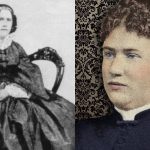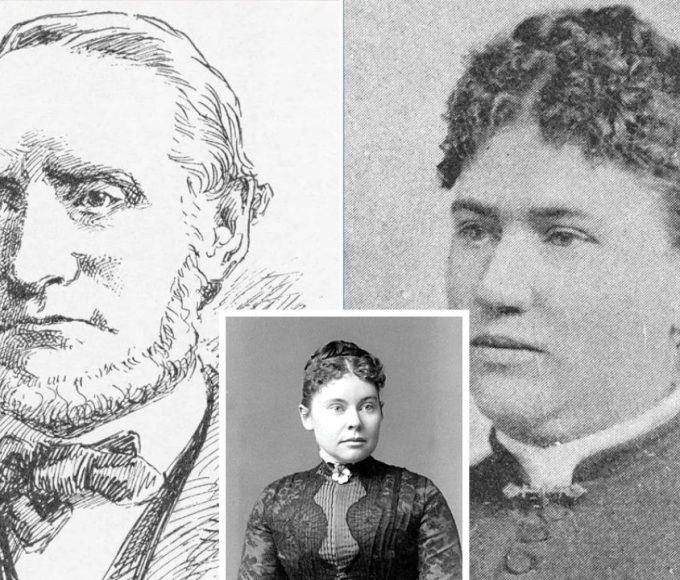
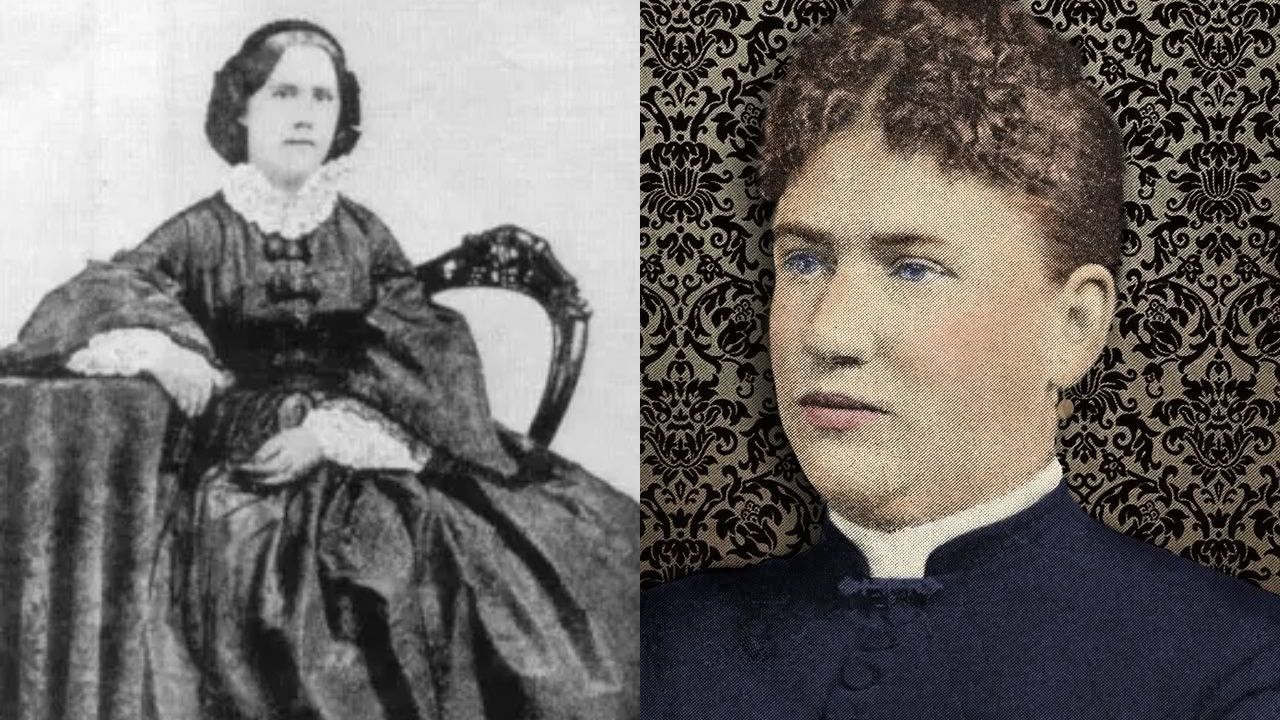
Lizzie Borden’s stepmother, Abby, married widower Andrew in 1865, faced years of quiet family resentment and was murdered with a hatchet in 1892.
Abby Durfee Gray Borden remains one of the most tragic and overlooked figures in one of America’s most enduring unsolved mysteries. On the morning of August 4, 1892, she was found dead in the upstairs guest room of the family home at 92 Second Street in Fall River, Massachusetts, the victim of a brutal hatchet attack that left her with eighteen or nineteen wounds to the head. Her husband, Andrew Jackson Borden, was killed shortly afterward downstairs. Though their stepdaughter Lizzie Borden stood trial and was acquitted, Abby’s life and place in the household have long been overshadowed by the sensational case that followed.
Born on January 21, 1828, in Fall River to Oliver Gray and Sarah Sawyer, Abby grew up in modest circumstances. At thirty-seven, she married the forty-two-year-old widower Andrew Borden on June 6, 1865. It was her first marriage and his second. Andrew’s first wife, Sarah Morse Borden, had died in 1863, leaving him with two surviving daughters: Emma, then fourteen, and Lizzie, not yet five. Abby never had children of her own with Andrew, and she stepped into a ready-made family that would never fully accept her.
Family Life and Growing Strain
From the start, Abby’s position in the household was uneasy. Emma refused to call her “Mother,” addressing her simply as Abby. Lizzie Borden used the term “Mother” for many years but eventually shifted to the more formal “Mrs. Borden.” The change reportedly followed a 1887 dispute over property. Andrew secretly purchased a house for Abby’s half-sister and placed the title in his wife’s name.
When the sisters learned of the arrangement, they felt their inheritance threatened. Andrew later transferred comparable property to Emma and Lizzie, yet the resentment lingered. The sisters often ate separately from their father and stepmother, and the emotional distance in the home became well known among those who knew the family.
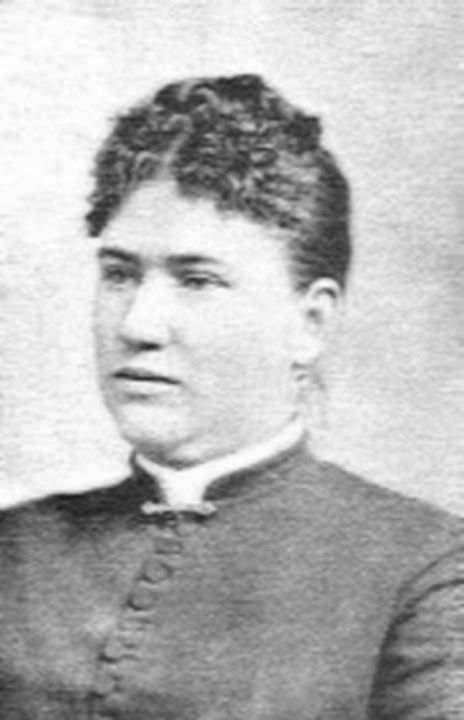
Despite later portrayals of Abby as a harsh figure, contemporary accounts suggest she was kind and tried to win the affection of her stepdaughters. The family doctor saw nothing to indicate an unhappy marriage between Andrew and Abby. Still, money and status remained constant sources of friction. Andrew had built substantial wealth through real estate, banking, and manufacturing, yet he lived frugally, refusing many modern comforts. Both adult daughters continued to live at home, unmarried, and the household atmosphere grew increasingly tense in the years leading up to the murders.
The Morning of the Murders and What Remained
On the day she died, Abby was sixty-four. She had been cleaning the guest room when she was attacked from behind. Her body was discovered hours later after Lizzie Borden raised the alarm about her father’s death. No one was ever convicted of the crimes. Abby was buried in Oak Grove Cemetery in Fall River alongside her husband.
In the popular imagination, she has often been reduced to a stock “wicked stepmother” or simply one of Lizzie’s alleged victims. The nursery rhyme that still circulates gets almost every detail wrong—calling her Lizzie’s mother, exaggerating the number of blows, and naming an axe rather than a hatchet. In truth, Abby Durfee Gray Borden was a woman of ordinary background who married into a complicated family late in life, navigated years of quiet resentment, and met a violent end that ensured her name would be remembered, if only in the shadow of a more famous stepdaughter.